








The Missing Link Between Clinic and Courtroom
Discover how Spryson’s DX200 platform prepares court-ready documents that serve their clients with precise, objective, and evidence-based data and reports – done quickly and affordably.
The Hidden Impact of Traumatic Brain Injury
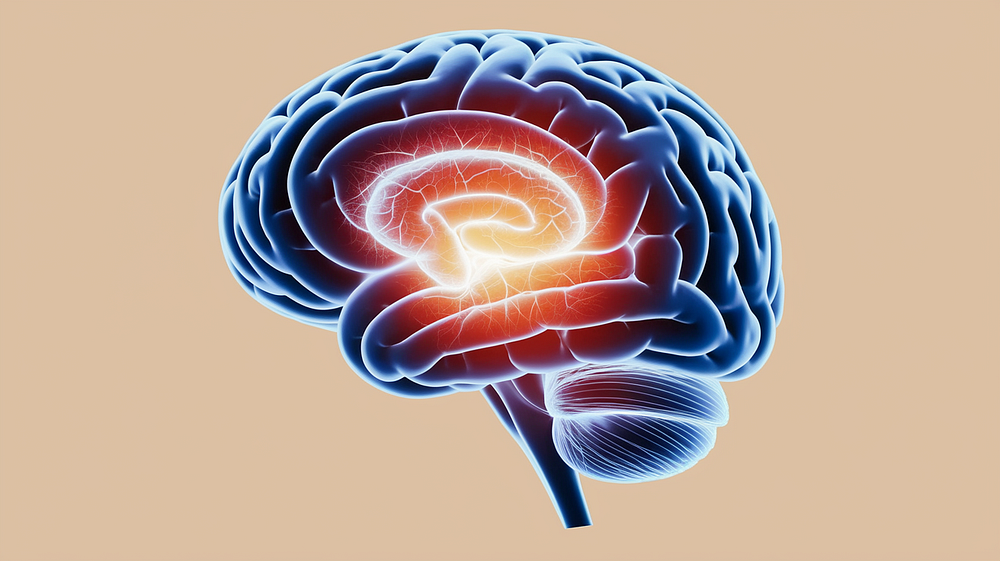
Traumatic Brain Injury (TBI) is one of the most common — and most overlooked — injuries in personal injury cases. Often resulting from motor vehicle accidents, falls, and assaults, TBIs frequently go undetected or unquantified on imaging like CT or MRI.
Life-Altering Symptoms
Clinical
Challenges
For personal injury clinicians, the challenge is not only diagnosing these hidden injuries but also providing objective, defensible evidence to support patients.
Advanced Solutions
Advanced vestibular and oculomotor testing becomes essential for both clinical recovery and legal proceedings.
The Future of Personal Injury Assessment
Evolving Technology
The Spryson system represents the cutting edge of vestibular assessment, with continuous updates incorporating the latest research findings and diagnostic capabilities.
Our development roadmap includes advanced AI-assisted analysis, expanded normative databases, and enhanced visualization tools for even more compelling evidence presentation.
Changing Legal Landscape
As courts increasingly demand objective evidence in personal injury cases, practitioners equipped with advanced diagnostic capabilities will be at a significant advantage.
Our platform positions your practice at the forefront of this evolution, bridging clinical expertise and legal requirements to deliver justice for injured patients.
Core Issues in Personal Injury Cases
High Case Volume
Over 400,000 personal injury claims filed annually in the US.
Medical Documentation
39+ million physician visits for unintentional injuries each year.
Evidence Gap
Courts demand objective proof of hidden injuries like TBI.
Clinical-Legal Alliance
Growing demand for providers who bridge medical care and courtroom needs
The multi-billion-dollar personal injury market revolves around documenting invisible trauma. Leading causes include vehicle accidents, falls, and workplace injuries.
Clinicians with advanced diagnostic capabilities become invaluable partners to law firms seeking objective, defensible evidence.
Core Issues in Personal Injury Cases
Traumatic Brain Injury (TBI)
Includes concussion, post-concussion syndrome, and more severe forms of TBI. Symptoms include headache, dizziness, memory loss, and concentration problems.
Many TBIs are missed on CT/MRI but show up in functional vestibular and oculomotor deficits, making them the basis for substantial claims due to cognitive, emotional, and functional impairments.
Vestibular Dysfunction
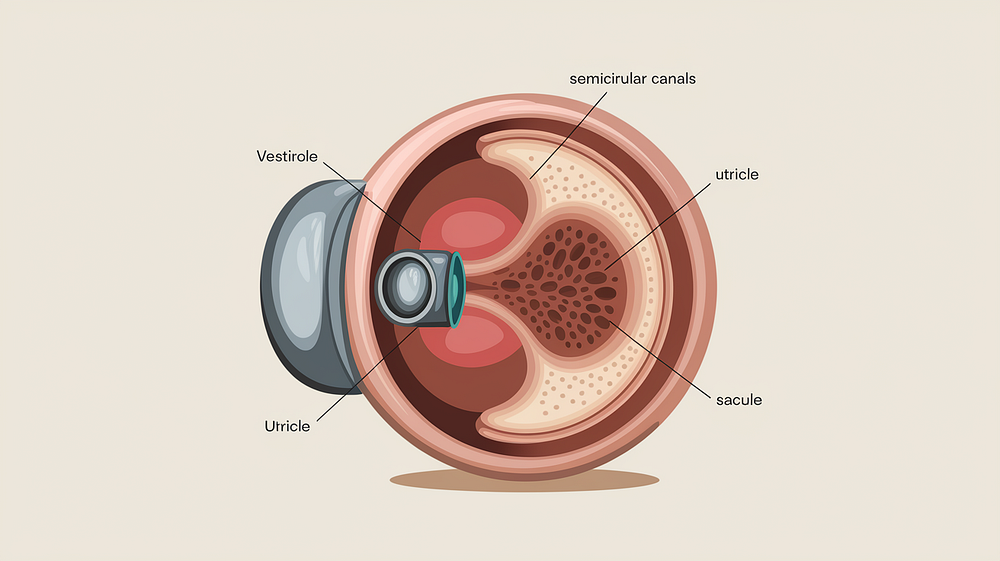
Often secondary to TBI or whiplash, including VOR impairment, BPPV, labyrinthine concussion, and central vestibular dysfunction.
Symptoms: dizziness, vertigo, imbalance, nausea, and blurred vision. Provides strong objective findings that correlate with functional impairment.
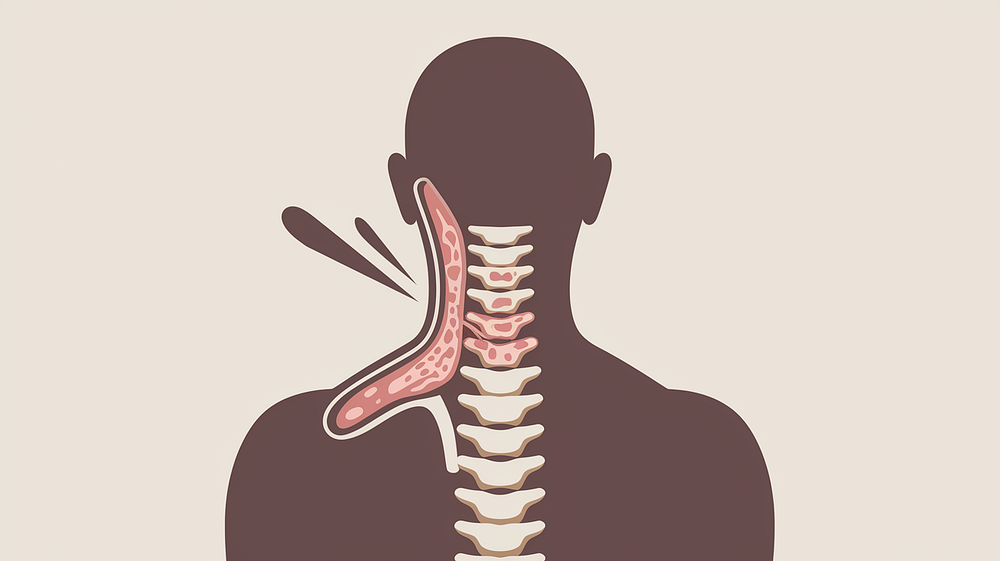
Cervical Injury / Whiplash
Damage to neck muscles, ligaments, joints, and the cervical spine. Frequently co-exists with TBI.
Produces both mechanical (neck) and vestibular (inner ear) symptoms that impact daily living and work capacity.
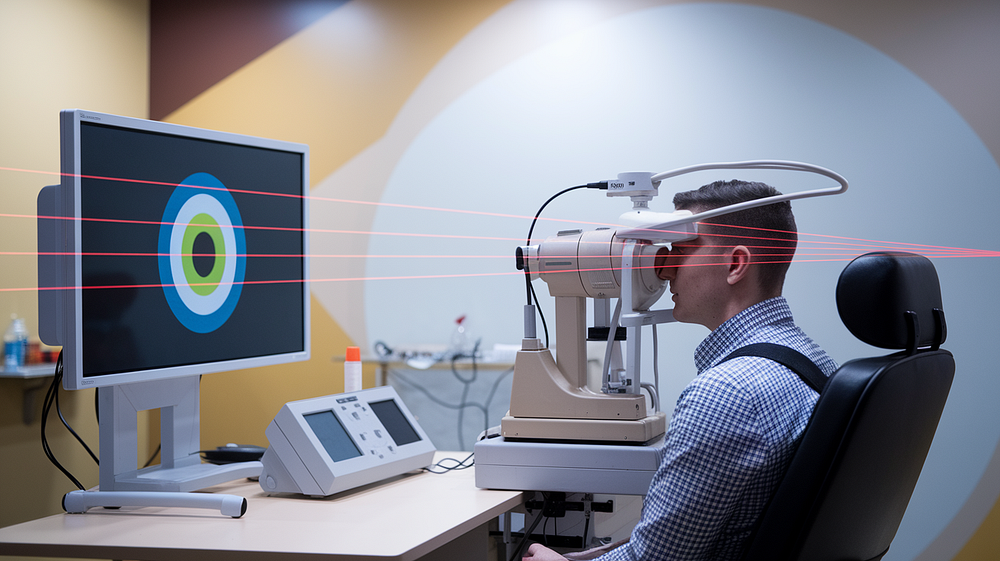
Oculomotor Dysfunction
Common with both TBI and whiplash, including smooth pursuit deficits, saccade abnormalities, convergence insufficiency, and visual motion sensitivity.
Often under-recognized but objectively measurable; contributes heavily to disability.
Cognitive Impairment
Especially prevalent in mild-to-moderate TBI. Symptoms include short-term memory loss, slowed processing speed, and executive dysfunction.
Cognitive deficits are key in personal injury cases but are best supported when combined with objective vestibular/oculomotor findings.
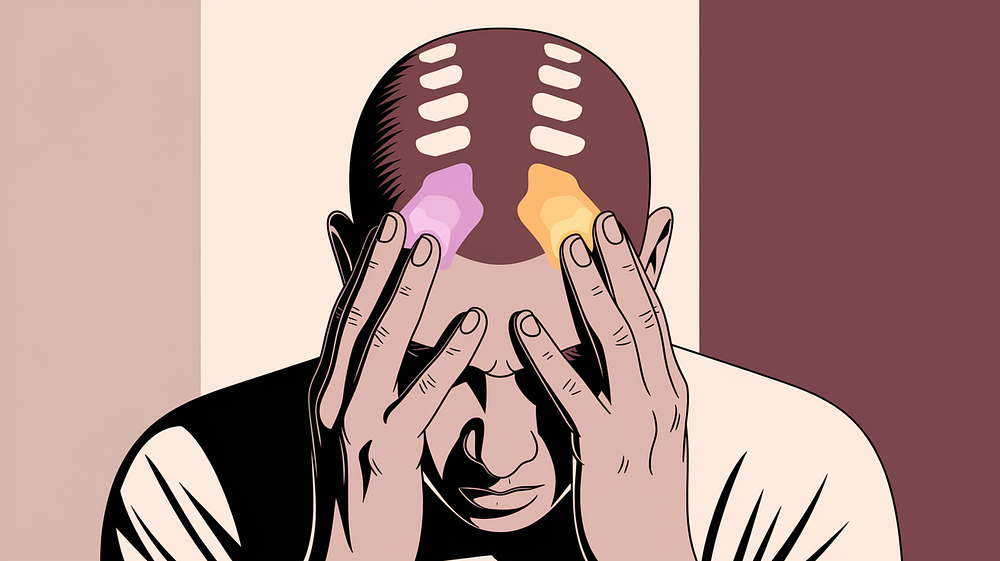
Post-Traumatic Headache
Frequent in concussion and whiplash cases, including migraine-like, tension-type, and cervicogenic headaches.
Often reported in conjunction with other injuries, but harder to quantify without supporting objective deficits.
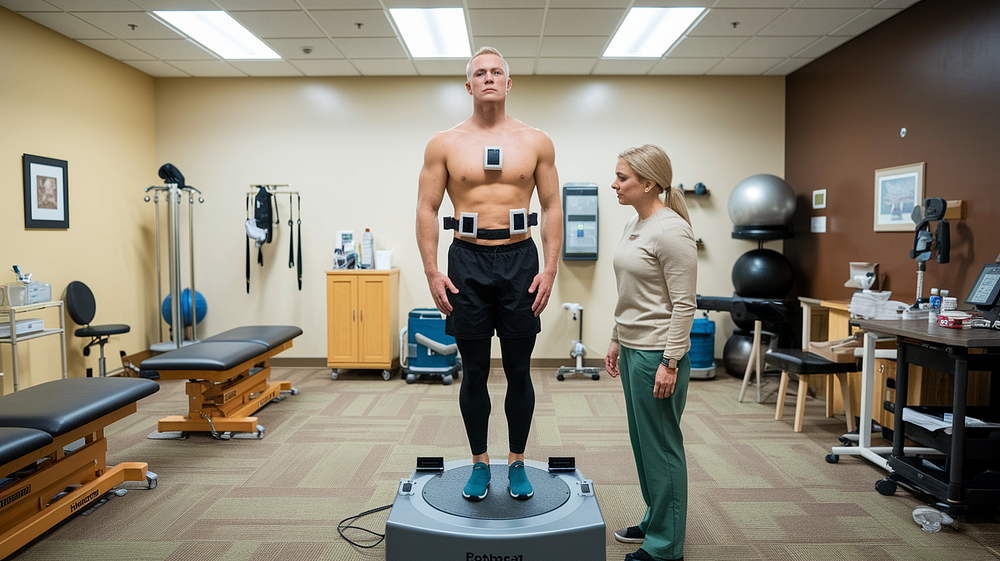
Postural Instability & Balance Impairment
Often related to vestibular dysfunction or cerebellar injury, causing unsteady gait, difficulty walking, and falls.
Balance testing is often viewed favorably by courts and insurers because it is easy to visualize impairment.
Psychological / Emotional Sequelae
Depression, anxiety, PTSD, and adjustment disorders, either secondary to the injury or part of post-concussion syndrome.
Can magnify perceived disability but needs careful differentiation from organic injuries.
Why This Matters to Personal Injury Practitioners:
Most personal injury cases involve multiple interconnected factors:
Complex Symptom
Presentation
Clients rarely present with isolated injuries — instead, they typically experience a constellation of symptoms including concussion, vestibular dysfunction, oculomotor deficits, cervical trauma, and balance impairments.
Quantifiable Diagnostic
Foundation
The strategic combination of quantifiable diagnostic tests (VOR assessment, Head Impulse Testing, comprehensive oculomotor evaluation, and balance measurement) creates a medically sound and legally persuasive case foundation.
Objective Documentation
Advantage
Attorneys achieve significantly stronger outcomes when they can demonstrate that injuries aren’t merely subjective complaints but are objectively documented through your clinical assessment.
Spryson's Neurological Assessment Platform
FDA cleared
30+ patents
30+ patents Existing CPT codes
30+ patents
Proprietary tests measuring
40 tests measuring 400+ variables
Papers published
60+ papers in peer review journals
Technology development
Over 2 decades
Customers/partners
Used by 200+ high-profile customers/partners
Why Objective Evidence Matters
95%
Settlement Rate
40%
Compensation Variance
Cases with objective evidence typically receive substantially higher settlements.
3X
Success Factor
Claims with comprehensive medical documentation are three times more likely to achieve fair compensation.
The Hidden Challenge of Vestibular Injuries
Invisible Damage
Vestibular injuries often don't appear on MRIs or CT scans, yet severely impact patients' daily lives.
Severe Symptoms
Patients struggle with balance, vision disturbances, driving difficulties, and cognitive challenges.
Documentation Gap
Without objective evidence, these real injuries may be dismissed in personal injury claims.
The HIT Test: A Game-Changing Assessment
Uncovers Hidden Damage
Reveals subtle vestibular dysfunctions missed by standard imaging.
Legal Recognition
Increasingly accepted as credible evidence in personal injury cases.
Scientifically Validated
88% sensitivity in identifying neurological changes after injury.
Comprehensive Assessment
Measures vestibulo-ocular reflex and other key neural pathways.
Comprehensive Functional Impact Assessment
Our multi-dimensional approach provides objective documentation of injury-related functional impairments:

Vision & Oculomotor Analysis
Quantifies impairments in visual tracking, focus, gaze stability, and coordination—directly impacting reading, driving, and activities of daily living.

Vestibular Function Evaluation
Assesses balance system deficits, including vestibulo-ocular reflex (VOR) abnormalities, dizziness, vertigo, and spatial disorientation often caused by TBI and whiplash.
Postural Stability & Gait Assessment
Measures postural control, sway, and gait disturbances that increase fall risk, reduce mobility, and limit participation in work and life activities.

Cognitive & Processing Assessment
Documents deficits in concentration, memory, reaction time, and processing speed, critical for work performance and daily function.

Functional Timeline Report
Provides clear pre-injury vs. post-injury comparisons supported by objective data, making functional decline or improvement easily understandable for both clinicians and legal professionals.
Technology-Driven Precision
Beyond Traditional Assessment
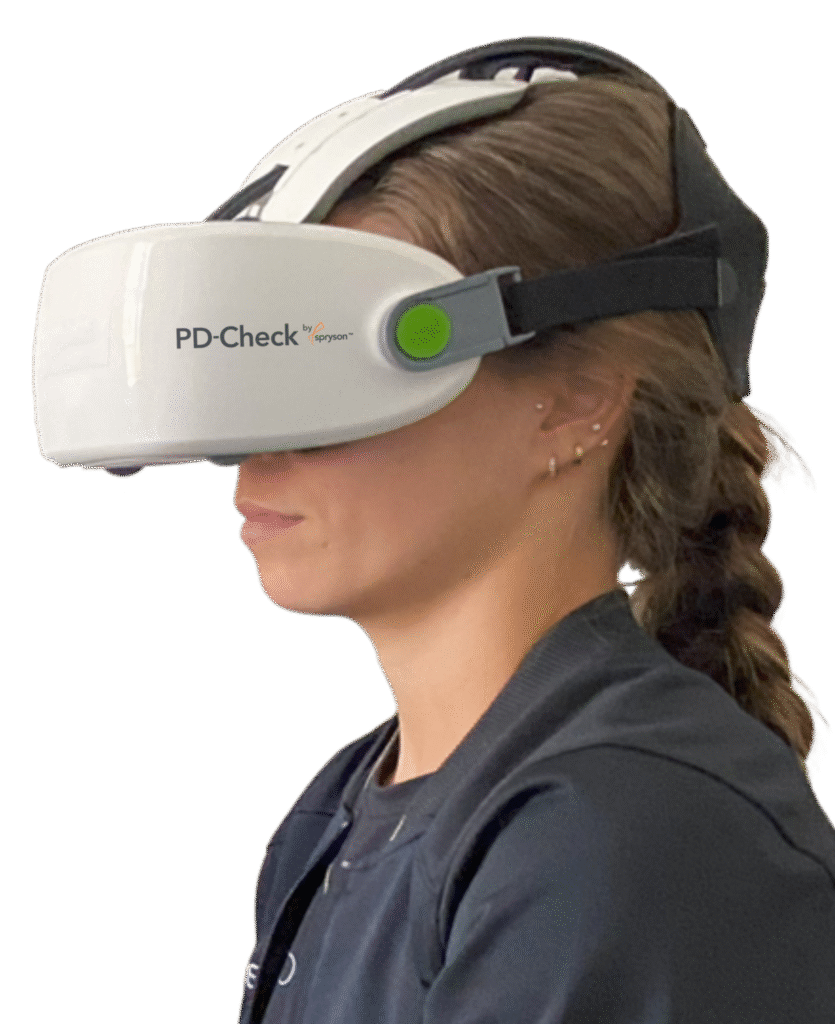
Our diagnostic tools capture microscopic movements and responses traditional clinical observations miss, providing quantifiable evidence of neurological dysfunction.
Digital Documentation
High-resolution tracking technology creates comprehensive visual records of vestibular and ocular function that clearly demonstrate injury-related abnormalities.
Powerful Reporting
Automated analysis converts complex clinical data into standardized metrics that both medical and legal professionals can readily interpret and apply.
Integrated Reporting System
Clinical Assessment
Automated Analysis
Report Generation
Legal Implementation
Provide attorneys with compelling, objective evidence that strengthens personal injury claims.
Legal and Medical Collaboration

Preponderance of Evidence
Our reporting system provides the "more likely than not" standard required in civil litigation, strengthening personal injury claims with quantifiable medical documentation.

Court-Ready Formatting
Reports are structured specifically to meet legal evidentiary standards, making them immediately usable in depositions, settlement negotiations, and trials.

Interdisciplinary Communication
Technical medical findings are translated into clear language that attorneys, judges, and insurance adjusters can readily comprehend and apply.
Patient-Centered Approach
Validating Invisible Symptoms
For patients with vestibular injuries, having objective evidence validates their experience and legitimizes symptoms often dismissed as psychological or exaggerated.
Our comprehensive documentation gives patients confidence that their invisible suffering is being taken seriously by medical and legal systems alike.
Supporting Recovery Journey
Beyond legal benefits, our assessment system provides patients with clear understanding of their condition and concrete evidence of progress during treatment.
This documentation helps patients communicate their limitations to employers, family members, and others who may not understand the impact of vestibular dysfunction.
Cost-Effective Solution
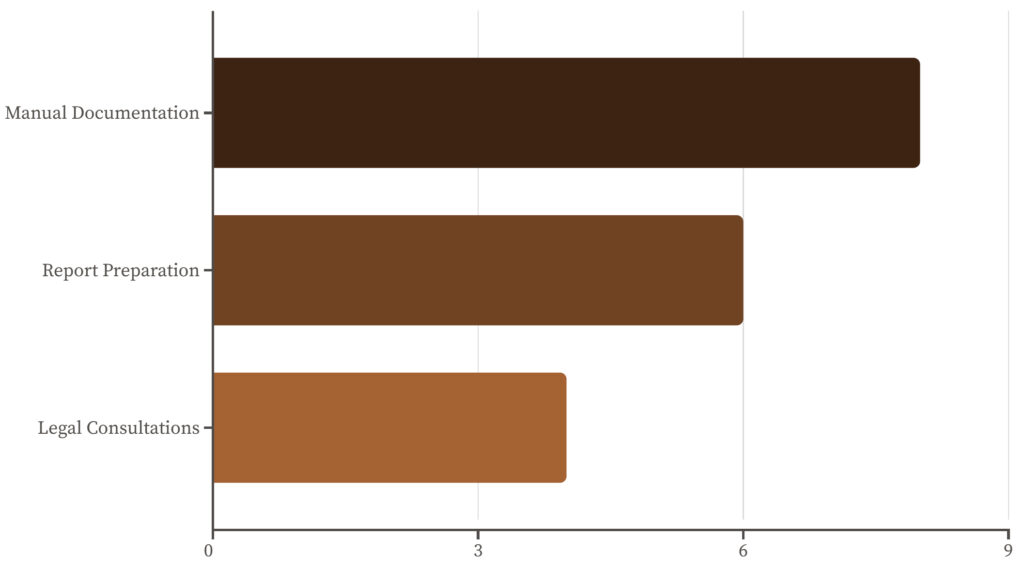
Our system dramatically reduces time spent on documentation while increasing the quality and impact of your reports. Practitioners typically see ROI within the first few cases, with increased reimbursement rates justifying the investment.
Diagnostic Depth
Oculomotor Function
Comprehensive assessment of eye movements, tracking, and vestibulo-ocular reflexes.
Functional Impact Measurement
Quantifiable data on daily life limitations caused by vestibular dysfunction.
Neural Pathway Evaluation
Detailed analysis of brain-based coordination and processing.
Balance System Analysis
Multi-position testing of vestibular function and compensation mechanisms.
Claims Support

Objective Documentation
Provides measurable evidence of vestibular dysfunction

Functional Impact Analysis
Demonstrates real-world limitations affecting quality of life

Compensation Justification
Supports fair settlement amounts based on documented impairment
Our comprehensive assessment system strengthens personal injury claims by providing clear, compelling evidence that helps attorneys secure appropriate compensation for their clients.
Professional Development
Initial Certification
Comprehensive training on assessment techniques, equipment operation, and report generation.
Peer Collaboration
Access to practitioner community for case discussions and best practice sharing.
Quarterly Updates
Regular education on the latest research, assessment methods, and legal developments.
Advanced Specialization
Optional additional certifications in specific vestibular assessment protocols.
Technology Integration

Secure Data Management
Our HIPAA-compliant platform ensures all patient data and reports remain secure while being easily accessible to authorized users.

Cross-Platform Compatibility
Integrates with major EMR systems and legal documentation platforms for streamlined workflow and information sharing.

Cloud-Based Reporting
Access and generate reports from anywhere, allowing flexible workflows and immediate response to attorney requests.

Implementation Support
| Common Challenges | Spryson Solution |
|---|---|
| Claim dismissal due to "subjective" symptoms | Objective, quantifiable evidence of dysfunction |
| Questioning of practitioner credentials | Certification and standardized methodology |
| Challenges to assessment validity | Scientifically validated protocols and metrics |
| Inadequate documentation for settlemen | Comprehensive, court-ready reporting |
Our system dramatically reduces the risk of claim dismissal and professional credibility challenges by providing robust, defensible documentation that stands up to scrutiny.
Customization Options
Practice-Specific Report Templates
Customize report formats, branding, and content emphasis to align with your specific practice focus and referral sources. Templates can be saved for different injury types or attorney preferences.
Modular Assessment Protocols
Integration Flexibility
Choose from multiple options for integrating with your existing systems, from standalone operation to full EMR integration. This ensures the Spryson system fits seamlessly into your current workflow.
Scalable Implementation
Start with core functionality and expand capabilities as your practice grows. Additional licenses, assessment protocols, and specialized reports can be added according to your evolving needs.
Implementation Support
Equipment Setup
Complete installation and calibration of all hardware components by our technical specialists.
Workflow Integration
Personalized assistance implementing the system into your existing clinical processes.
Staff Training
Comprehensive hands-on training for all practitioners and support staff who will use the system.
Ongoing Support
Dedicated customer service team available for troubleshooting and optimization assistance.
Spryson PI Practitioner Package — What's Included
Hardware
DX200 System with diagnostic goggles, laptop, and push-button controller. Optional: Falcon System for advanced oculomotor and vestibular assessment.
Training
20 hours of expert training ($8,000 value) including PI-specific clinical training and certification.
Software
VEST Platform for complete vestibular evaluation and NeuroAI Lite including the TBI-Check diagnostic protocol. Expandable with additional protocols as released.
Reporting
Court-ready reporting system with auto-generated legal formats,
Flexible Financing Options
Monthly Financing
Secure your complete Spryson PI Practitioner Package for as low as $740/month* with our flexible financing options. Customize your payment schedule to align with your practice’s cash flow.
Deferred Payment
*on approved financing